X3 PipelineNine Products · One Loop

The AI Operating System forPipeline Safety, Integrity & Compliance.

Know what applies to every mile. See which mile is at risk. Control who works on it and how the control room runs it. Act in the field on time. Prove it to any inspector. X3 Pipeline gives each of those jobs its own product and connects them in the order the work happens.

  • Aerial view of a gas compressor and metering station in green farmland01 Know
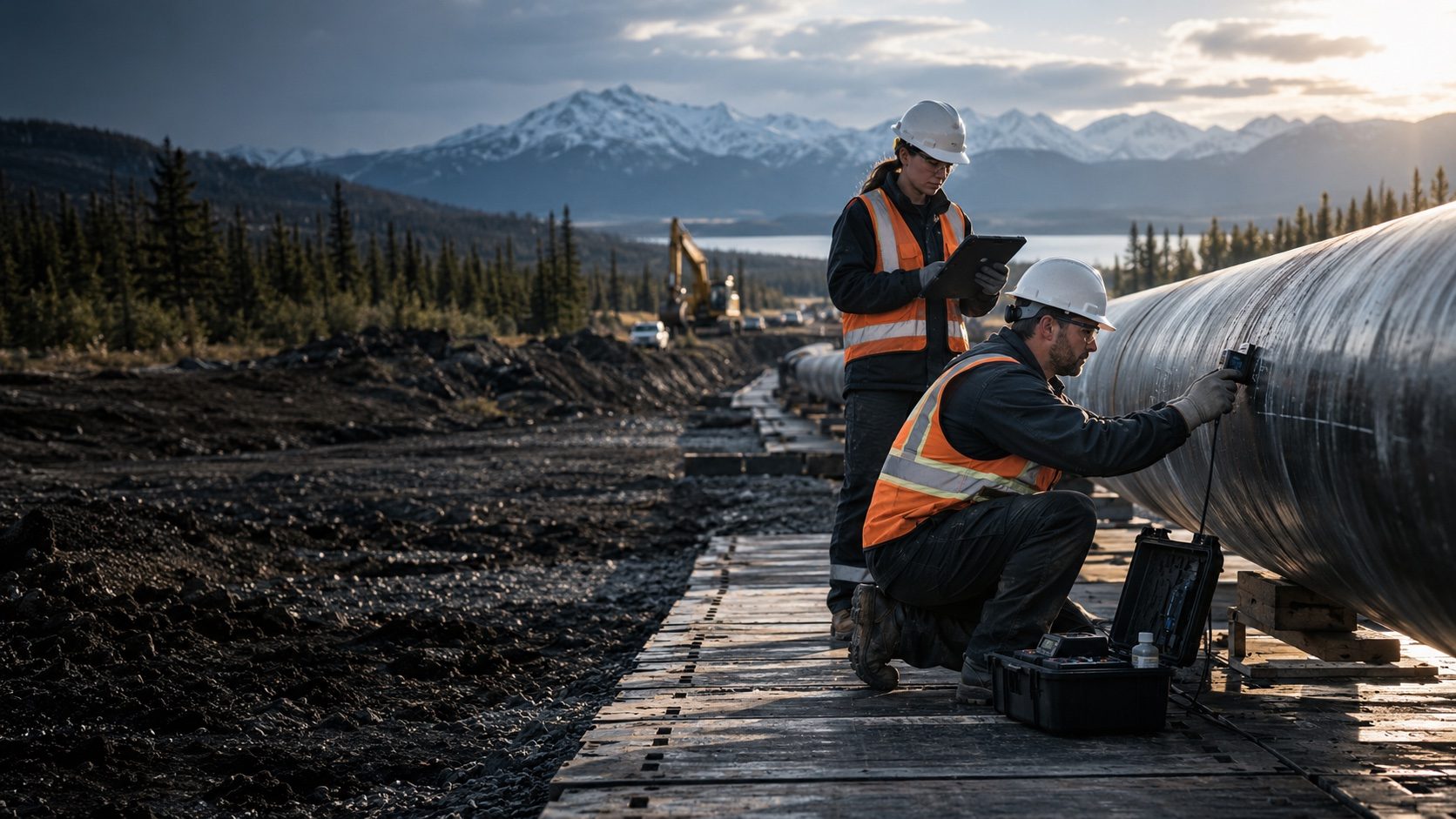
  • Two inspectors measuring a large-diameter pipe on a mountain right-of-way02 See
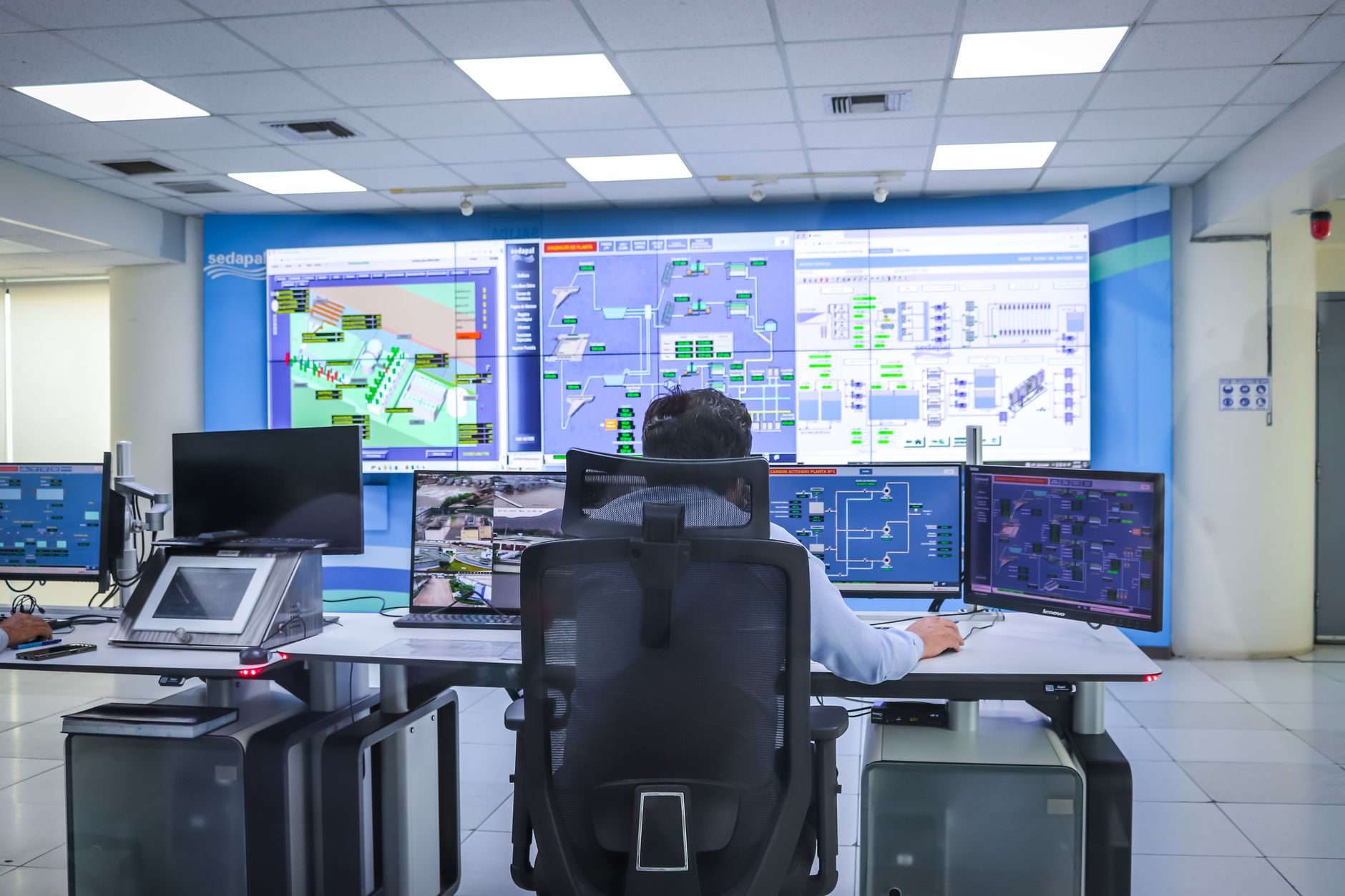
  • A pipeline controller in front of a wall of SCADA screens03 Control
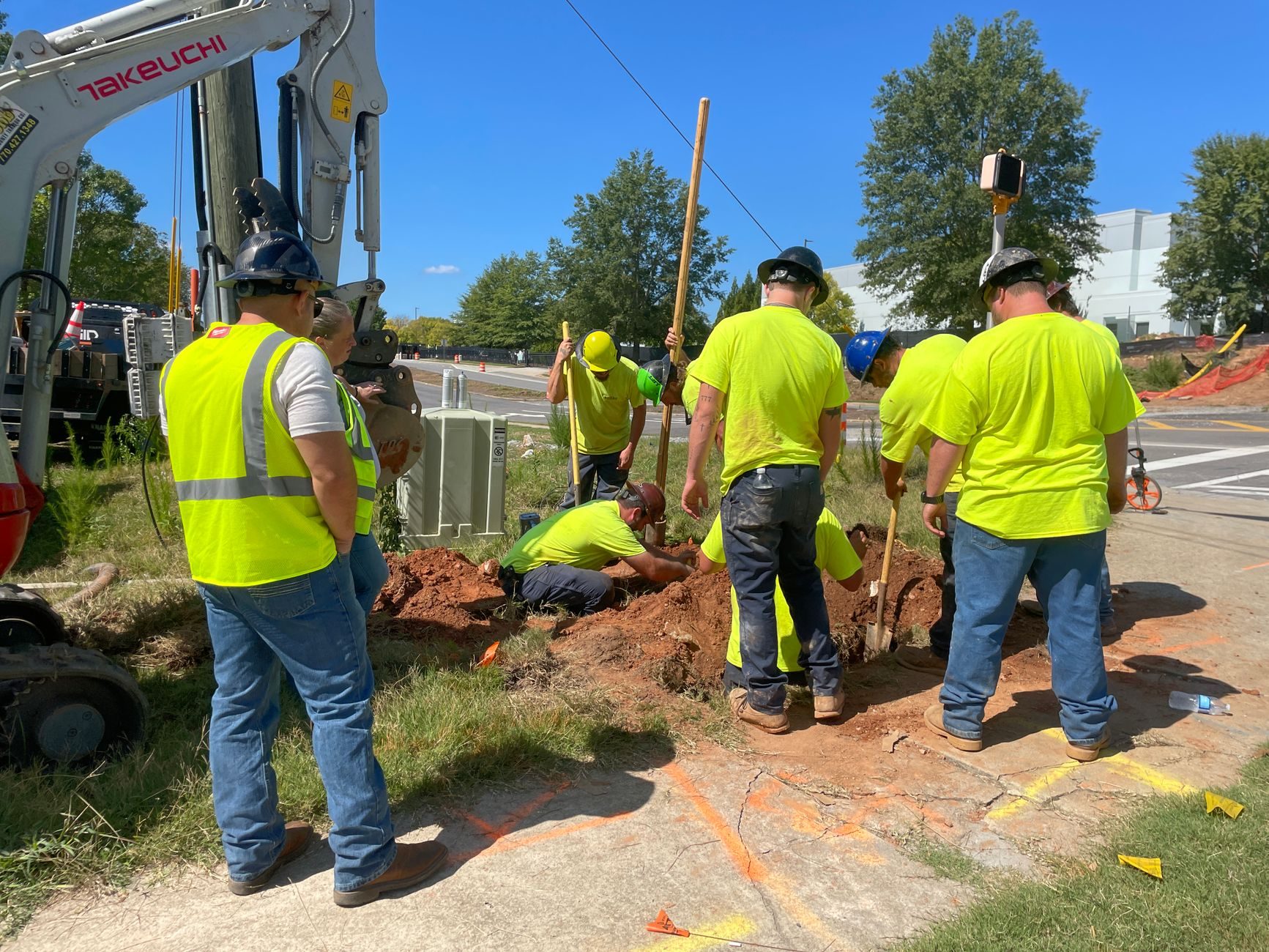
  • A crew in high-visibility vests at an excavation beside an excavator04 Act
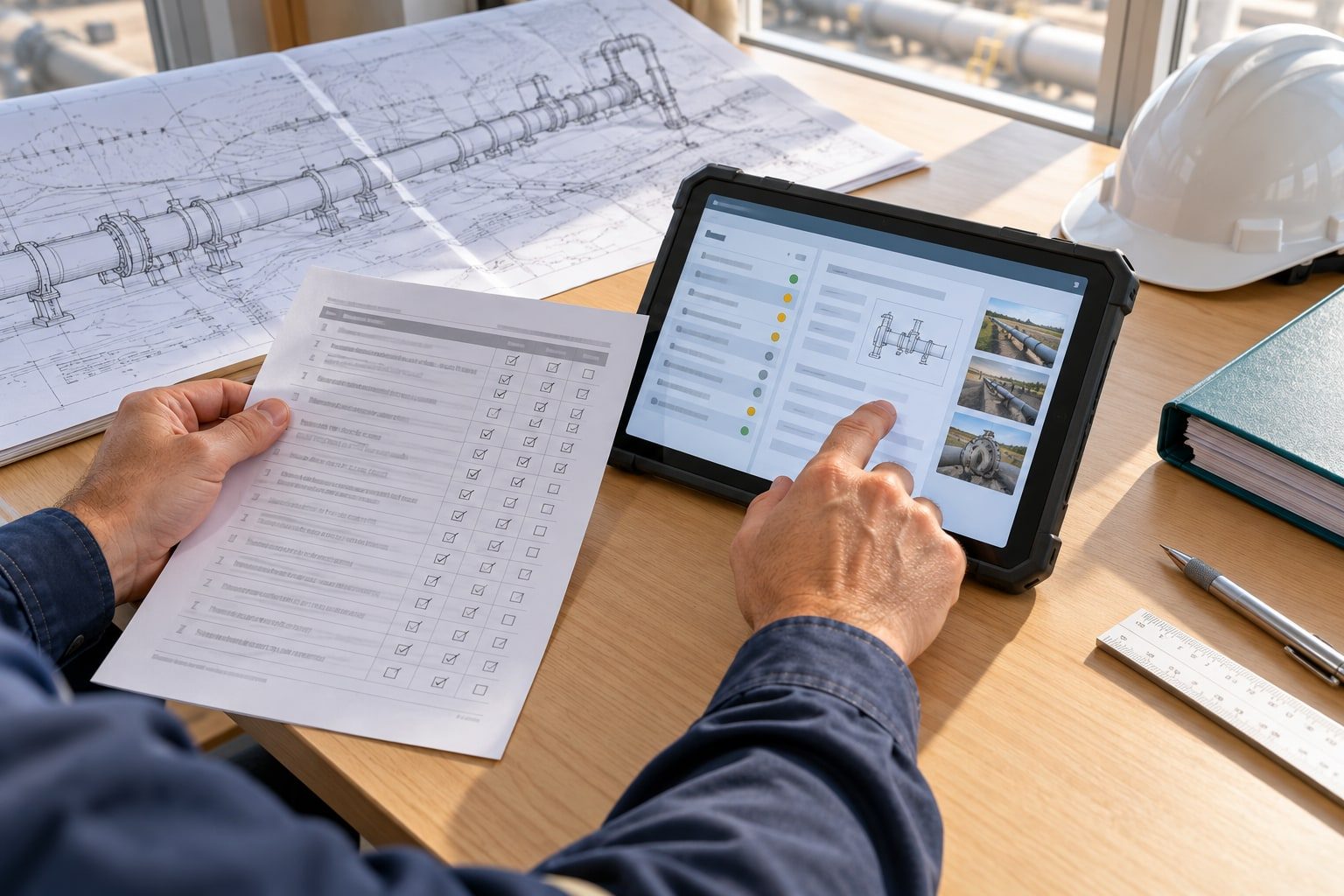
  • A tablet with a pipeline inspection checklist beside paper forms and a hard hat05 Prove
  • A river winding through green forest where a pipeline crosses06 Every Mile
The regulations your pipeline answers to
  • Part 191Reporting and annual reports
  • Part 192Gas pipeline safety
  • Part 195Hazardous liquid pipelines
  • Subpart OGas transmission integrity
  • Subpart PDistribution integrity
  • Subpart NOperator qualification
  • 192.631Control room management
  • 192.614Damage prevention
  • 192.615Emergency plans
  • 192.616Public awareness
  • Part 196Excavation damage
  • Part 199Drug and alcohol testing
The Exposure

Nine Programs. Nine Spreadsheets. Nobody Sees the Whole Pipeline.

The ILI results are in a vendor portal and the CP survey is in a spreadsheet. OQ records live with a contractor, the locate tickets in the one-call system, the control room handovers in a notebook and the emergency plan in a binder. Every piece exists. Nothing connects the anomaly to the repair, the person to the task, or the work to the proof.

Findings live in the gaps between programs. X3 closes the gaps.
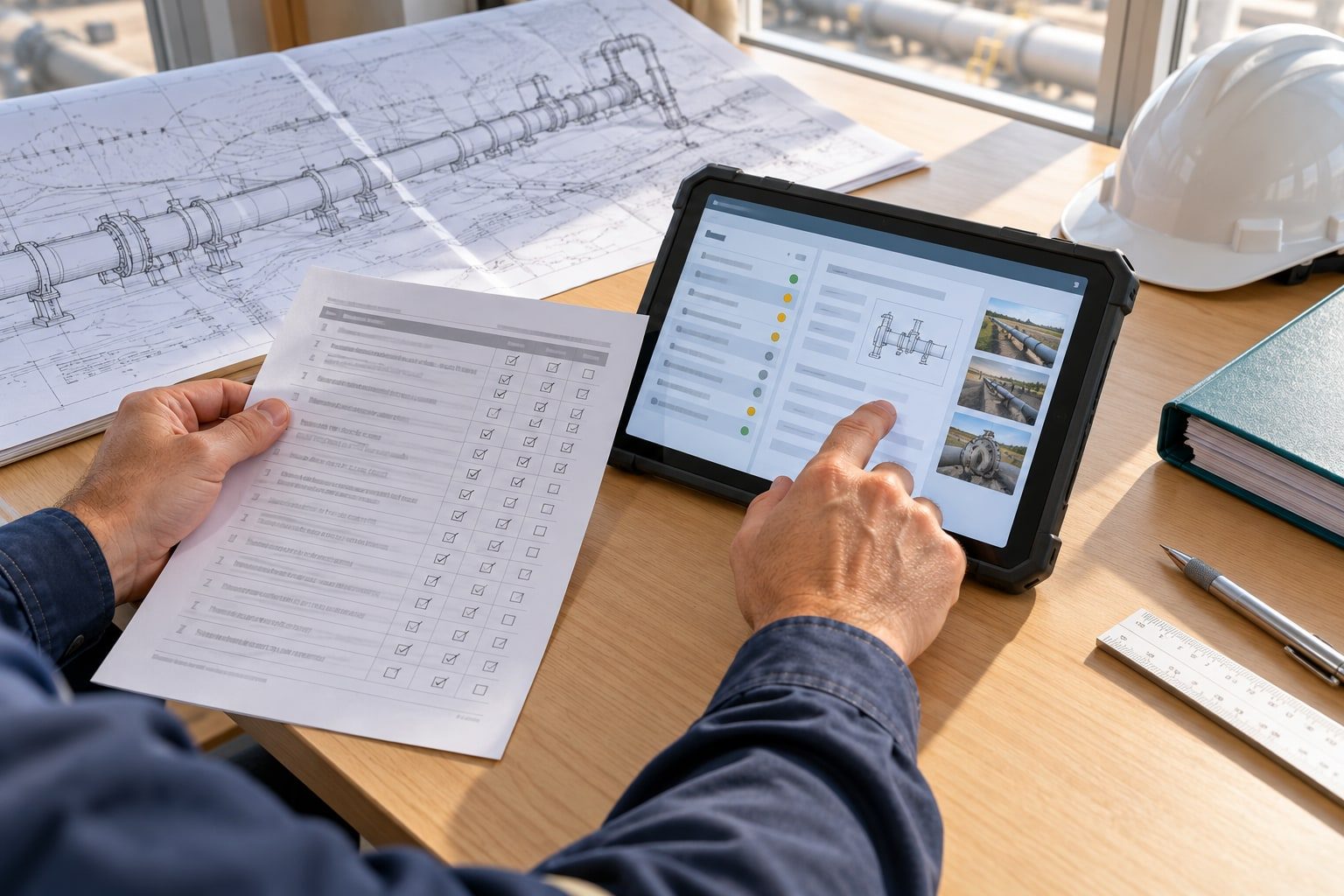
A tablet with a pipeline inspection checklist beside paper forms, drawings and a hard hat
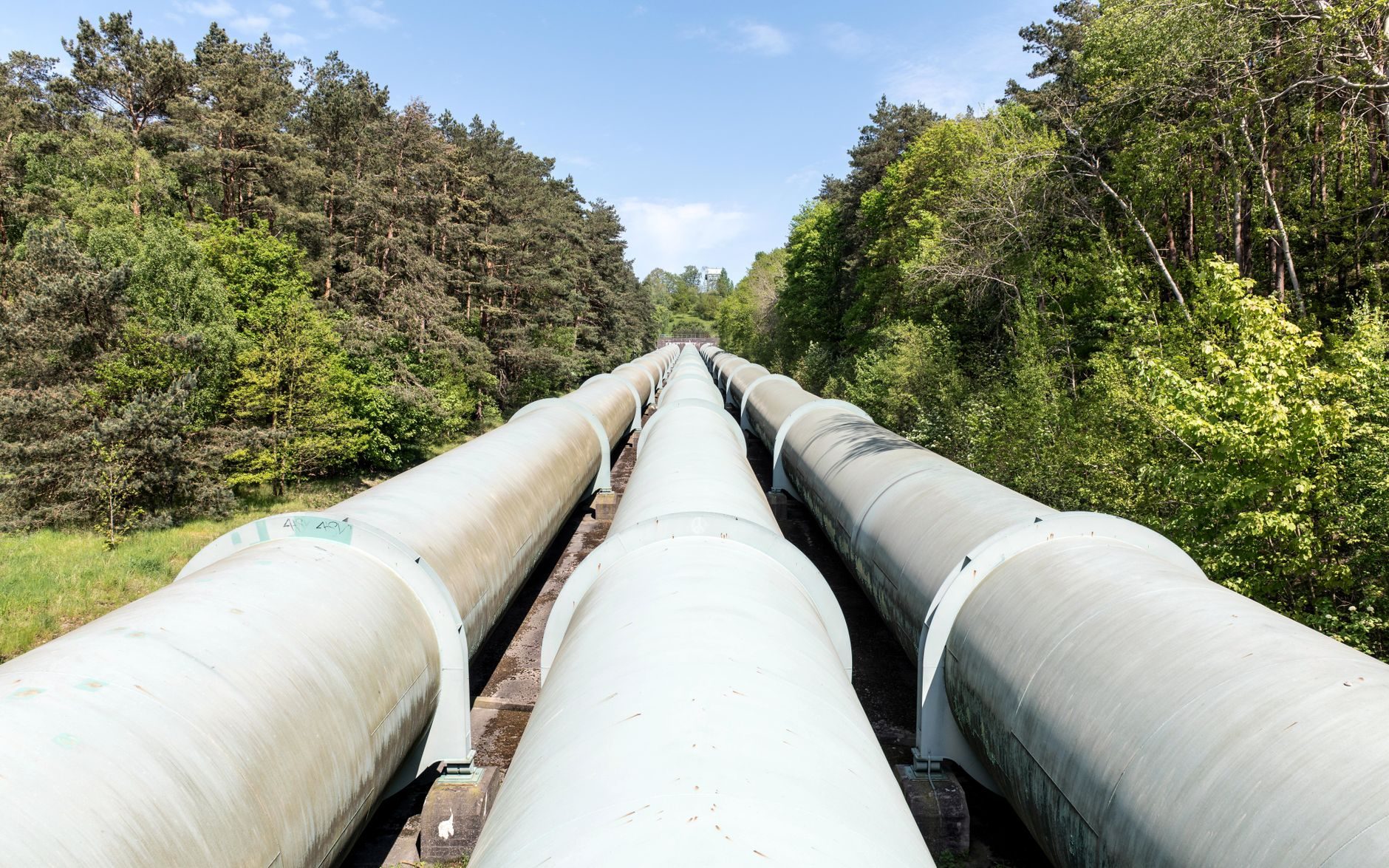
Twin above-ground pipelines running straight into a forest
The X3 Pipeline Loop

Know. See. Control. Act. Prove.

Every product answers one question for your pipeline and hands its work to the next stage. That is the whole family on one line.

  1. 01

    Know

    What applies to every mile we operate?X3 Pipeline Compliance
  2. 02

    See

    Which mile is at risk, and why?X3 Pipeline IntegrityX3 Pipeline Corrosion
  3. 03

    Control

    Is the person and the control room ready for the work?X3 Pipeline QualificationX3 Pipeline Control Room
  4. 04

    Act

    What has to happen in the field today?X3 Pipeline Damage PreventionX3 Pipeline FieldX3 Pipeline Emergency
  5. 05

    Prove

    Could we hand an inspector the evidence in an hour?X3 Pipeline Audit

Start with the step that hurts most. Add the next one when you are ready.

The Family

Find the Product That Owns Your Job.

Each one has its own page and its own working dashboard. Read the overview, then add it to your plan.

01

Know: What applies to every mile we operate?

Every obligation in 49 CFR 190 to 199, matched to your systems, with an owner, a due date and the proof.

02

See: Which mile is at risk, and why?

Threats, assessments, anomalies and cathodic protection, ranked so the worst mile is worked first.

03

Control: Is the person and the control room ready for the work?

Qualified people on covered tasks, and a control room run on rested controllers and reviewed alarms.

04

Act: What has to happen in the field today?

Locate tickets, patrols, valves, leak surveys and the first hour of an emergency, done on time.

05

Prove: Could we hand an inspector the evidence in an hour?

Inspection-ready evidence, annual reports and findings closed out, from the records already kept.
Above-ground pipelines running through autumn forest
The Outcome

Safe, Compliant and Inspection-Ready Today.

An operator that runs the loop can answer three questions about any mile, on any day.

What applies?

Every obligation, matched to the system it binds, with an owner.

What is at risk?

Every anomaly, low reading and late ticket on a clock, worst first.

Where is the proof?

Every closed item filed where an inspector will ask for it.

Plain Answers About AI

Where X3 Uses AI, and Where It Never Does.

AI reads and suggests. Rules and your people decide. Here is exactly where each one sits.

AI is used in two places

  • Ask X3. Answers questions about the rules with the citation. A question about the rules sends only the question. A question about your own work also sends a short summary of the open items on screen (titles, due dates, owners, system names). Never attachments.
  • O&M manual mapping. In Procedure Coverage, X3 proposes which section of your manual covers each item 192.605 or 195.402 requires, and lists the gaps. Only each section’s heading and a short excerpt are sent. A qualified person confirms every match before it counts.
  • Column matching is not AI. When you import a spreadsheet or a map file, X3 suggests which column is which from a list of common header names, and you can change every match.

AI never sets these

  • Due dates, intervals and clocks. Each is a fixed rule written from the regulation text, cited on screen and tested against worked examples.
  • 811 response times and state notice clocks. Counted from the state law X3 has checked, with the source linked. Where X3 has not checked a state, it says so.
  • Decisions and filings. Your qualified people decide what applies, classify anomalies, call the NRC and file reports. X3 never files or calls for you.
  • Training. Your records are never used to train AI models, and X3 does not opt in to any provider’s training.
Built for Your System

Pick the Kind of Pipeline You Run.

Each page speaks your system’s language, shows what PHMSA cites most for it and names a starter set with its price.

What gets cited? Read our tally of 577 PHMSA cases, 2023 to 2026.

Access

Priced Per Mile, With a Monthly Minimum.

Choose one product, a few, or all nine. One sign-in, one bill, and every product is set up for your own pipeline systems.

One product

Pick the program that hurts most and run that product on its own.

A stage of the loop

Two or three products, each at the one-product price, so the finding reaches the fix. At four or more, all nine costs about the same.

The whole loop

All nine products, brought together in your command center.

$499a month for one product, covering your first 100 miles of regulated pipe. Then $3 a month for each mile after that.
$1,999a month for all nine products, covering your first 100 miles. Then $12 a month for each mile after that.
10 for 12Pay for a year and get twelve months for the price of ten. Over 2,500 miles, we set up the plan with you.

$1,249 a month for one product

$4,999 a month for all nine products

Yearly: $12,490 or $49,990

What you would pay each month
MilesOne productAll nine products
50$499$1,999
250$949$3,799
500$1,699$6,799
1,000$3,199$12,799
2,500$7,699$30,799

Why per mile. Pipeline work grows with miles of pipe: patrols, test stations, valves, leak surveys and assessments all scale with the system. So X3 Pipeline is priced per regulated mile. Every product has a monthly minimum that covers your first 100 miles, because every operator carries the same fixed work whatever its size: written procedures, an OQ program, an emergency plan and annual reports. Each mile after that adds a small amount. All nine products cost about four times one, so running the whole loop is the better deal, and paying for a year gets you twelve months for the price of ten.

What counts as a regulated mile

Gas distribution
Miles of main, as on your PHMSA annual report (Form PHMSA F 7100.1-1). Service lines are not counted.
Gas transmission and gathering
The regulated miles on your last PHMSA annual report (Form PHMSA F 7100.2-1, or F 7100.2-3 for Type R gathering).
Hazardous liquid and CO2
The miles on your last PHMSA annual report (Form PHMSA F 7000-1.1), every commodity added together.
Master meter and small LPG systems
These systems file no annual report, so count the miles of main you operate.
LNG plants, storage fields and tank farms
Facilities do not fit a per-mile price. We set up a quote with you.

Small systems: talk to us. Under 100 miles, a small town distribution system, or a master meter system? Write to [email protected] and we will work out a plan that fits the size of your system. Public utilities can also pay by invoice.

Prices in US dollars. Subscriptions renew each month or year until cancelled.

Straight Answers

Questions About the Family.

Have one that is not here? Ask X3, or write to us and a person will answer.
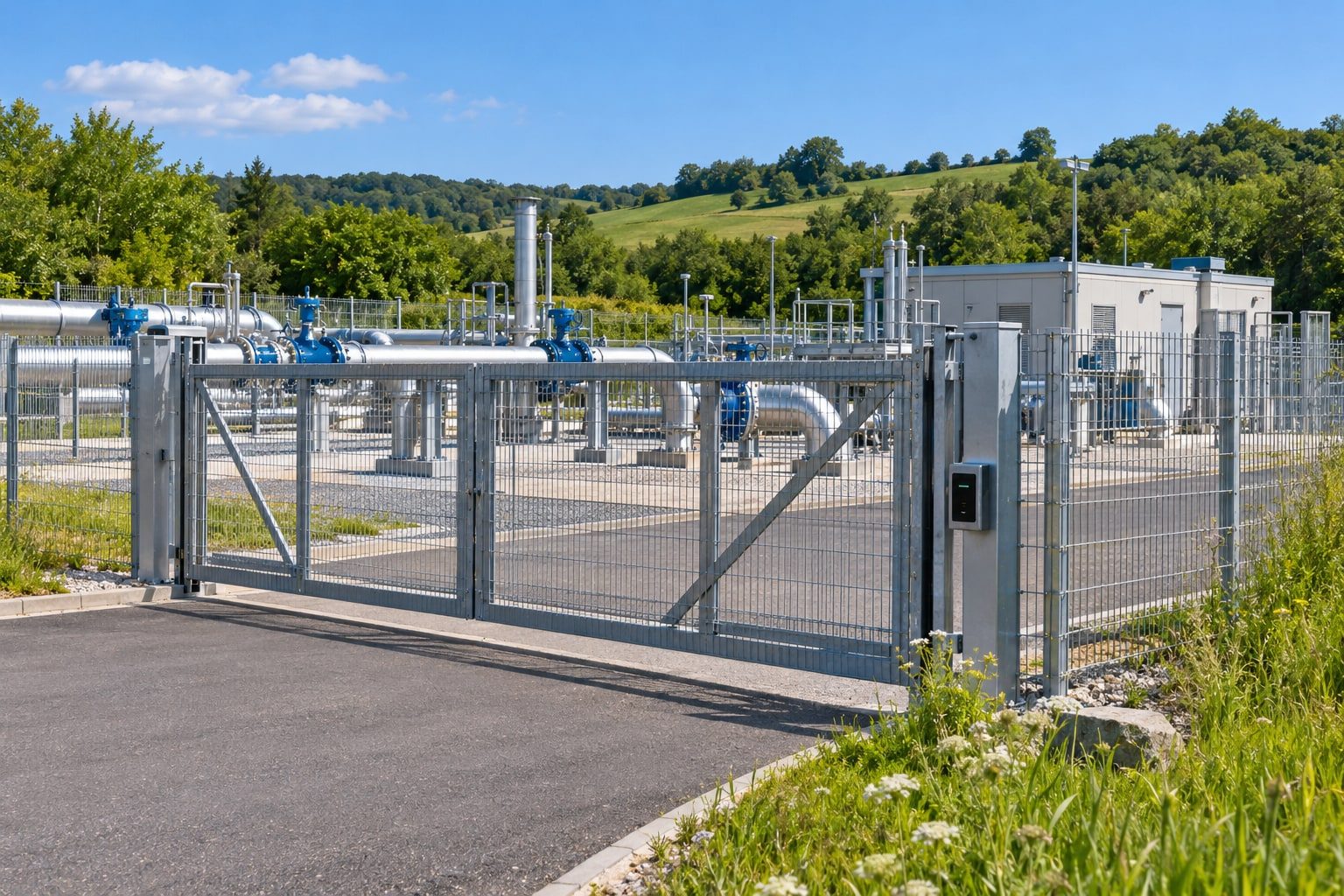
A fenced pipeline valve station behind a closed gate
Do I need all nine products?
No. Every product works on its own and owns one job. Most operators start where the last finding or near miss was, then add the products on either side of it.
Where should I start?
Start where it hurts. A notice of probable violation points to X3 Pipeline Compliance or Audit. An ILI report with anomalies points to Integrity. A contractor who was not qualified points to Qualification. A line hit points to Damage Prevention.
What is the command center?
Every account gets the command center at x3pipeline.com/dashboard. It reads the open items from the products you have and shows what needs attention, where it came from and who owns it.
Who is X3 Pipeline for?
Gas transmission, gas distribution, hazardous liquid and gathering operators regulated by PHMSA or a state partner, from small municipal systems to multi-state operators.
How is this related to X3 Fleet Safety?
Same family, same Ask X3. X3 Fleet Safety covers DOT and FMCSA for carriers. X3 Pipeline covers PHMSA for pipeline operators.
How does pricing work?
One product is $499 a month for your first 100 miles of pipe, then $3 a month for each mile after that. All nine products are $1,999 a month for your first 100 miles, then $12 a mile. Pay for a year and you get twelve months for the price of ten. Over 2,500 miles, we set the plan up with you.
Does X3 replace our engineers or file reports for us?
No. X3 organizes the work, keeps the clocks and holds the proof. Your qualified people decide what applies, classify anomalies, make the calls to the NRC and submit reports to PHMSA.
Every job, owned.

You Already Run a Safe Pipeline. Now Prove It Every Day.

Find the product that owns your hardest program, see the screens it gives you, and start with that one.